
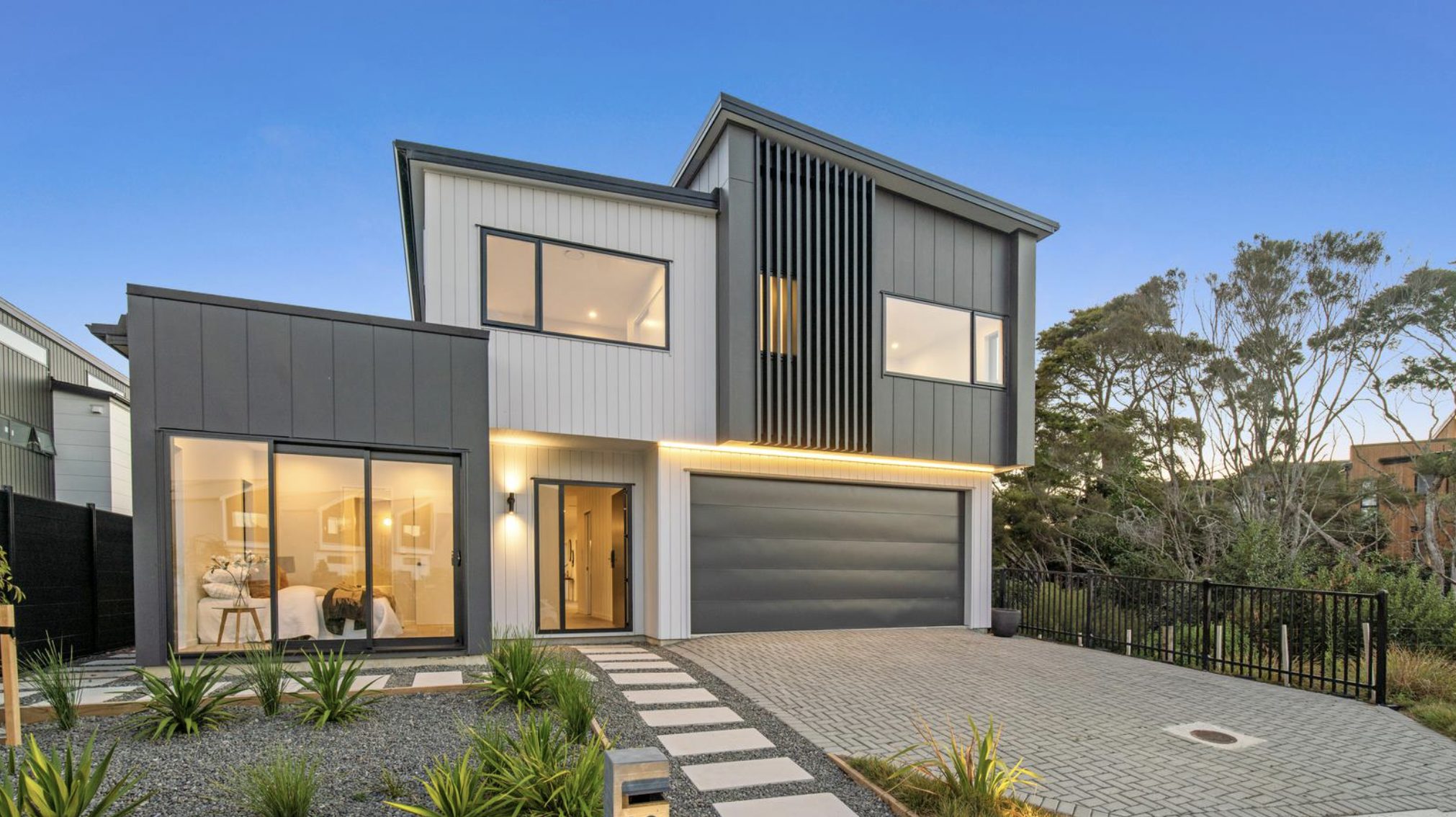
For the first time in over four years, the dream of home ownership is looking significantly more achievable for New Zealand’s first-home buyers. A powerful combination of stabilising house prices, falling mortgage rates, and steady income growth has created the most favourable affordability conditions since mid-2021.
Let’s break down the numbers that are painting this promising picture.
The Three Pillars of Improved Affordability
1. Housing Prices: The Entry Point Has Lowered
The national lower quartile house price—representing the most affordable 25% of the market—stood at $590,000 in September. This is a notable $80,000 drop from its peak of $670,000 in November 2021. While prices have flattened recently, this reset at the affordable end of the market is a key factor in opening the door for new buyers.
2. Mortgage Interest Rates: The Cost of Borrowing Eases
The average two-year fixed mortgage rate has fallen dramatically to 4.72% (as of September), down from a recent high of 7.04% in late 2023. This is the lowest this rate has been since March 2022, significantly reducing the weekly financial burden of a mortgage.
3. Incomes: Steady Gains in Take-Home Pay
For a typical first-home buyer couple (both aged 25-29 and working full-time), the combined weekly after-tax income has risen to approximately $2,208. This steady, reliable growth in income means more money is available to service a mortgage.
What This Means for Your Weekly Budget
So, what do these figures translate to in real terms?
If a couple purchases a home at the lower quartile price of $590,000 with a 10% deposit, their estimated weekly mortgage payment would be around $728.
To put that in perspective:
-
This is $207 less per week than the peak payment of $935 in November 2023.
-
Mortgage payments now take up 33% of this couple’s after-tax income.
-
This is the most affordable level since June 2021.
Crucially, mortgage payments are generally considered “unaffordable” when they exceed 40% of take-home pay. At the national level, we are now well within affordable territory.
The Regional Picture and The Deposit Hurdle
While the national outlook is positive, affordability varies across the country. The main centres where a 10% deposit may still stretch budgets are Auckland, Tauranga, and Queenstown. However, with a 20% deposit, only Queenstown remains in the “unaffordable” category.
Speaking of deposits, this hurdle has also become slightly easier to clear. The amount needed for a 10% deposit on a lower-quartile home has fallen from $67,000 in 2021 to $59,000 today. For a couple saving 20% of their income, the time required to save this deposit has shrunk from 3.7 years to 2.6 years.
The Bottom Line: A Strategic Moment
While saving a deposit remains a significant challenge, the overall equation has shifted in favour of first-home buyers. This convergence of factors represents a genuine window of opportunity.
If you have been waiting on the sidelines, now is the time to get your finances in order and understand your borrowing power. The market moves in cycles, and this current phase of improved affordability may not last indefinitely.
Ready to seize this opportunity? Don’t navigate this shifting market alone. Contact Dura Capital today for a free, no-obligation First Home Buyer Assessment. We’ll help you understand your exact borrowing capacity and craft a strategy to turn this favourable market into your new home.